

Saying no can be difficult, even when you know it is the answer you want or need to give. You may worry about disappointing someone, creating conflict, appearing selfish, or having to explain and defend your decision. You may even say yes when you want to say no, only to feel frustrated, overwhelmed, or resentful afterward.
The Art of Saying “No” Without Guilt is a self-paced course designed to help you better understand your relationship with no, recognize the beliefs and experiences that may make setting boundaries difficult, and develop ways of communicating your limits that are clear, assertive, and authentic to you.
Throughout six modules, you will move from awareness into practice. You will explore boundaries, communication, guilt, capacity, self-trust, and what happens when other people respond to the limits you set. Reflection questions, Heartwork activities, practical exercises, and continued practice resources will give you opportunities to apply what you are learning to your own life.
This course is not about teaching you to say no to everything. It is about helping you become more intentional about when you say yes, when you say no, and how you communicate both.
Course Overview
Course: The Art of Saying “No” Without Guilt: An Alternative Communication Style
Intended Audience: Adults who want to better understand their relationship with saying no, strengthen their boundaries, communicate more assertively, and become more intentional about when they say yes and no.
Course Format: Self-paced, six-module course combining education, reflection, practical application, and Heartwork activities.
Estimated Time: approximately 5–7 hours, self-paced
Purpose: This course is designed to help learners explore the beliefs, experiences, expectations, and emotional responses that can make saying no difficult, while developing greater awareness, confidence, and intentionality in setting and communicating boundaries.
Outcome: By the end of the course, learners will have greater awareness of the factors that influence their relationship with no and will have practiced ways to communicate boundaries that are clear, assertive, and authentic. Learners will also have tools for navigating guilt, responding to others' reactions, evaluating their capacity, and continuing to strengthen boundary-setting skills beyond the course.
Learning Objectives
By the end of this course, learners will be able to:
Examine beliefs, experiences, expectations, and fears that influence their relationship with saying no and setting boundaries.
Distinguish boundaries from rules and identify personal limits, s, values, responsibilities, and capacity when making decisions.
Develop and practice clear, assertive, and authentic ways of communicating yes, no, and personal boundaries.
Evaluate when no may be an appropriate response and communicate decisions without unnecessary over-explaining, justification, or defense.
Recognize and respond to guilt, discomfort, and others’ reactions without automatically abandoning or changing a boundary.
Apply self-awareness, flexibility, and self-trust to establish, maintain, evaluate, and adjust boundaries over time.
Materials:
Course text: The Art of Saying “No” Without Guilt: An Alternative Communication Style by Dr. Paula Robinson
A notebook or journal and something to write with, or a preferred digital method for completing reflections and Heartwork
Downloadable course resources provided throughout the course
A Bible (book, app, or a version online) for the faith-integrated portions of the course
Course Content
Six modules and 18 lessons
Four-Week Boundary Practice
30-Day Boundary Practice Plan
Continued reflection and resource materials
What to Expect
The course is organized into six modules that build on one another, beginning with understanding your relationship with no and moving toward communicating, practicing, and maintaining boundaries with greater confidence and self-trust. Each module gives you opportunities to reflect on your own experiences, consider what you are learning in the context of your life, and practice applying it in ways that feel authentic to you.
Module 1: Understanding Your Relationship With “No”
You will begin by exploring your personal relationship with no before focusing on changing how you communicate or set boundaries. You will consider the beliefs, experiences, expectations, and fears that may have shaped what saying no means to you, including messages you may have learned and consequences you may anticipate when you consider saying it. This module gives you an opportunity to become more aware of the meaning you have attached to no and how that relationship may influence your choices, relationships, and ability to communicate your needs.
Estimated Time: ~45–60 minutes (including journaling/reflection time)
Module 2: Boundaries, Your Voice, and Your “No”
This module moves from understanding your relationship with no into understanding boundaries and how you communicate them. You will explore what boundaries are, how they differ from rules, and how your needs, limits, values, and responsibilities can help you recognize where boundaries may be needed. You will also begin paying closer attention to your communication style and how your words, tone, and actions work together when expressing a boundary.
Estimated Time: ~45–60 minutes (including journaling/reflection time)
Module 3: Learning to Say No
Here, you will move more intentionally into practice. You will explore ways to communicate no clearly and assertively while developing language that feels natural rather than scripted or disconnected from who you are. Through practice, you will have opportunities to bring together your words, tone, and communication style so that your no is not only clear to others but also authentic to you.
Estimated Time: ~45–60 minutes (including practice and journaling/reflection time)
Module 4: Saying Less and Trusting Yourself More
This module focuses on discernment, capacity, and trusting the decisions you make. You will consider how your responsibilities, priorities, needs, values, and existing commitments can help you determine when a request may call for a pause or a no. You will also examine the tendency to over-explain, justify, or defend your decisions and practice communicating appropriate context without believing you must convince someone else that your boundary is legitimate.
Estimated Time: ~60–75 minutes (including practice and journaling/reflection time)
Module 5: When the Guilt Shows Up
Saying no does not always mean you will immediately feel comfortable with the decision. In this module, you will explore guilt and other emotions that may arise after setting a boundary, including the urge to change your answer simply to relieve discomfort. You will consider the difference between caring about another person's feelings and taking responsibility for those feelings, while learning to evaluate guilt rather than automatically treating it as evidence that you have done something wrong.
Estimated Time: ~60–75 minutes (including journaling/reflection time)
Module 6: Keeping the Boundary and Trusting the Woman Setting It
The final module brings the course together by focusing on maintaining boundaries over time while allowing room for thoughtful flexibility and change. You will explore what it means to stay consistent with a boundary, recognize when circumstances genuinely call for reevaluation, and distinguish intentional change from abandoning a boundary because of pressure, guilt, or discomfort. As you complete the course, the focus shifts toward trusting yourself to make thoughtful decisions, communicate them clearly, and continue applying what you have learned beyond the course.
Estimated Time: ~60–75 minutes (including journaling/reflection time)
The Art of Saying “No” Without Guilt: An Alternative Communication Style
Learn. Reflect. Apply. Grow.
About Your Instructor
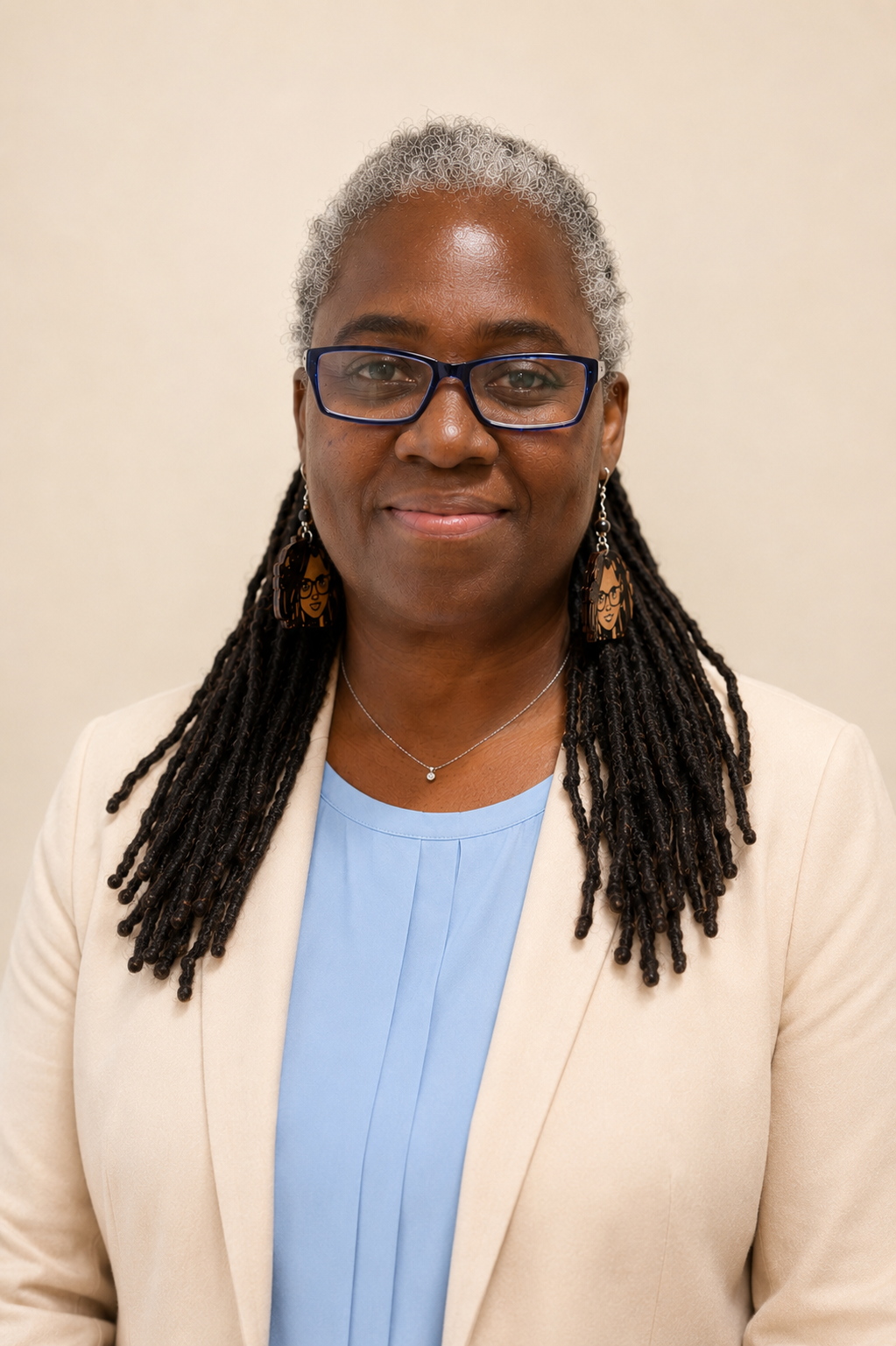
Dr. Paula Robinson is an educator, psychotherapist, trauma specialist, author, and facilitator with decades of experience helping people learn, reflect, and grow. Her approach combines education with practical application, making complex ideas easier to understand and use in everyday life.
Drawing from her experience in education, behavioral health, trauma-focused work, and professional training, Dr. Paula creates learning experiences that are thoughtful, engaging, and grounded in real-world application. Her goal is not simply to give you information, but to help you connect what you are learning to your own experiences and walk away with something you can actually use.
Frequently Asked Questions
-
The course is self-paced, so you can move through it in a way that works for you. The six teaching modules are designed to be completed in approximately 45–75 minutes each, followed by optional opportunities to continue practicing what you have learned.
-
The course includes six teaching modules with video instruction, written lessons, reflection and practice activities, downloadable Heartwork, a Four-Week Boundary Practice, a 30-Day Boundary Practice Plan, optional trackers, and additional resources.
-
No. The course is self-paced, and there is no required timeline for completing the modules or practice activities. You can pause, return, and move through the material at a pace that works for you.
-
No. The Art of Saying “No” Without Guilt is an educational course designed to support learning, reflection, and skill development. It is not psychotherapy or a substitute for individualized mental health care.